
Mastering Boiler Compliance Essentials for Canadian Businesses

Boiler compliance is a critical aspect of operating safely and efficiently in industries that rely on pressure vessels and refrigeration systems. If you manage or work with boilers, refrigeration plants, or industrial facilities in Canada, understanding the regulatory landscape is essential. I’ve seen firsthand how mastering boiler compliance can prevent costly downtime, avoid penalties, and protect lives. In this post, I’ll walk you through the essentials of boiler compliance, focusing on practical steps and clear guidance tailored to your needs.
Understanding Boiler Compliance Essentials
Boiler compliance means meeting all the legal and safety requirements set by provincial and federal authorities. In British Columbia, for example, the Technical Safety BC (TSBC) oversees boiler and pressure vessel safety. Compliance involves regular inspections, proper documentation, and adherence to safety standards.
Here’s what you need to know:
Licensing and Certification: Contractors must hold the appropriate class of license (Class A, B, or REF) depending on the scope of work. Expanding your license scope requires additional training and approval.
Quality Control Programs (QCP): These manuals outline your procedures for installation, maintenance, and repair. They are mandatory for contractors and must be approved by TSBC.
Safety Manuals and Audits: Facilities must maintain safety manuals and prepare for audits to demonstrate compliance with regulations.
Special Plant Status: Some plants require special or risk-assessed status, which involves more stringent oversight and documentation.
By mastering these essentials, you ensure your operations run smoothly and meet all regulatory demands.

Key Steps to Achieve Boiler Compliance
Achieving compliance is a step-by-step process. Here’s a practical roadmap to help you stay on track:
Know Your Regulatory Requirements
Start by reviewing the applicable codes and standards. In BC, the Safety Standards Act and regulations from TSBC are your primary references. Understand the classification of your equipment and the corresponding rules.
Develop and Maintain Your QCP Manual
Your Quality Control Program manual is your blueprint for compliance. It should detail your procedures for inspections, repairs, and maintenance. Keep it updated and submit it for approval when required.
Schedule Regular Inspections and Testing
Boilers and pressure vessels must undergo periodic inspections by certified inspectors. These inspections verify the integrity and safety of your equipment.
Train Your Team
Ensure all contractors and operators have the necessary certifications and training. This includes staying current with licensing requirements and safety protocols.
Prepare for Audits
Audits assess your compliance status. Keep all records organized, including inspection reports, maintenance logs, and training certificates.
Apply for Special Plant or Risk-Assessed Status if Needed
If your facility operates under special conditions, apply for the appropriate status with TSBC. This process involves additional documentation and safety measures.
Following these steps will help you maintain compliance and avoid costly interruptions.
Navigating Licensing and Certification Requirements
Licensing is a cornerstone of boiler compliance. Different classes of licenses correspond to different scopes of work:
Class A: Covers all types of boilers and pressure vessels.
Class B: Limited to certain types or sizes of equipment.
Class REF: Specific to refrigeration contractors working with ammonia or other refrigerants.
If you’re expanding your license scope, you’ll need to demonstrate competence through exams and submit updated QCP manuals. For refrigeration contractors, TSBC compliance support is crucial, especially when working with ammonia refrigeration plants in arenas or industrial settings.
Maintaining your license means renewing it on time and meeting continuing education requirements. I recommend setting reminders and keeping your documentation in order to avoid lapses.
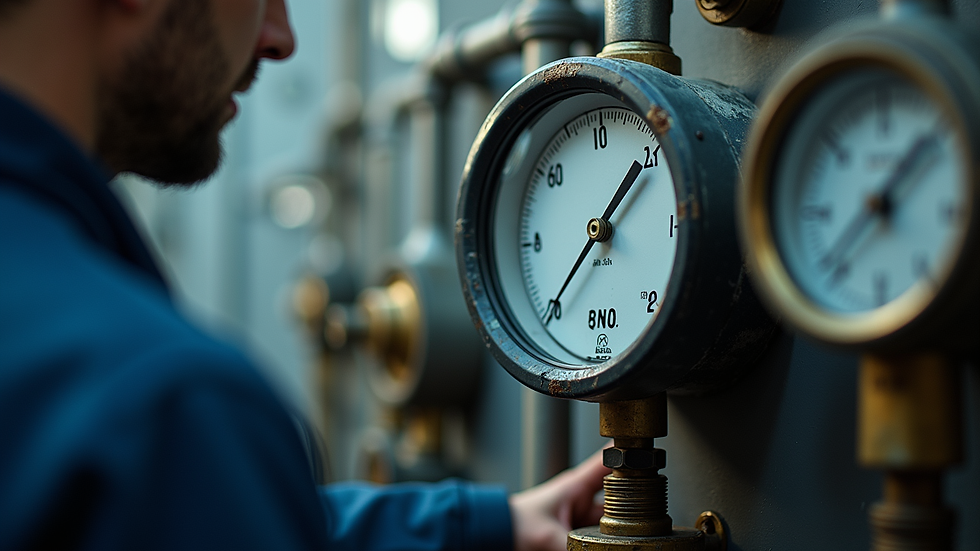
Practical Tips for Maintaining Compliance in Industrial Plants
Industrial plants face unique challenges in boiler compliance. Here are some actionable tips to help you stay compliant:
Implement a Robust Maintenance Schedule
Regular maintenance prevents unexpected failures. Use digital tools to track maintenance tasks and inspections.
Document Everything
Keep detailed records of all inspections, repairs, and operator training. This documentation is vital during audits.
Engage Qualified Inspectors
Work with certified inspectors who understand the specific requirements of your plant and equipment.
Prepare Safety Manuals Tailored to Your Facility
Customize your safety manuals to reflect your plant’s operations and risks. This makes audits smoother and improves safety awareness.
Stay Updated on Regulatory Changes
Regulations evolve. Subscribe to updates from TSBC and industry associations to stay informed.
By applying these tips, you’ll enhance safety and ensure your plant meets all compliance standards.
How to Prepare for Audits and Inspections
Audits and inspections can be stressful, but preparation makes all the difference. Here’s how to get ready:
Review Your QCP and Safety Manuals
Make sure all documents are current and accessible.
Conduct Internal Audits
Perform your own checks to identify and fix issues before official inspections.
Train Your Staff
Ensure everyone knows their roles during an audit and understands compliance requirements.
Organize Records
Have inspection reports, maintenance logs, and training certificates neatly filed and easy to retrieve.
Address Previous Non-Compliance Issues
If you had past violations, show evidence of corrective actions taken.
Preparing thoroughly will help you pass audits with confidence and maintain your good standing.
Staying Ahead with Expert Support and Resources
Navigating boiler compliance can be complex, but you don’t have to do it alone. Consulting with experts who specialize in British Columbia’s regulatory environment can save you time and reduce risks. They can assist with:
Developing and updating QCP manuals
Preparing for TSBC audits and inspections
Applying for special plant or risk-assessed status
Training and licensing support
For those looking to deepen their understanding, I recommend checking out a trusted boiler compliance blog that offers up-to-date insights and practical advice.
Mastering boiler compliance is an ongoing process. By staying informed, organized, and proactive, you’ll protect your business and ensure safe, efficient operations.
Mastering boiler compliance essentials is not just about meeting regulations - it’s about building a culture of safety and reliability. Whether you’re a contractor expanding your license or an industrial plant preparing for audits, the right approach will keep your operations running smoothly. Take control of your compliance journey today and set your business up for long-term success.



Comments