
BC Boiler Safety Standards Unpacked: What You Need to Know About Boiler Safety Standards BC

Boilers are critical components in many industries, from hospitals to oil and gas facilities. Ensuring their safe operation is not just a regulatory requirement but a vital part of protecting lives and property. Understanding boiler safety standards BC is essential for anyone involved in the installation, maintenance, or operation of boilers in British Columbia. In this post, I will break down the key aspects of these standards, explain the regulations, and offer practical advice to help you stay compliant and safe.
Understanding Boiler Safety Standards BC
Boiler safety standards in British Columbia are designed to minimize risks associated with boiler operation. These standards cover everything from design and construction to inspection and maintenance. They ensure boilers operate efficiently and safely under pressure, preventing accidents such as explosions or leaks.
The standards are enforced by WorkSafeBC and the Technical Safety BC authority. They require regular inspections, proper documentation, and adherence to strict operational protocols. For example, boilers must be inspected annually or more frequently depending on their type and usage.
To comply, you need to understand the classification of boilers, the required safety devices, and the documentation needed for inspections. Safety valves, pressure gauges, and water level indicators are some of the mandatory components. Regular testing of these devices is also part of the standards.
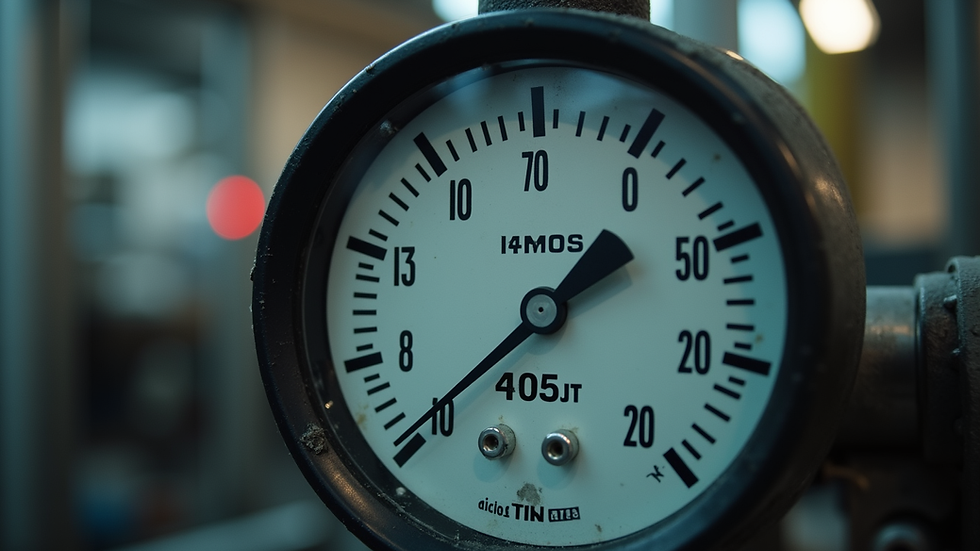
Close-up view of an industrial boiler pressure gauge showing safety compliance
What are the boiler regulations?
Boiler regulations in BC are comprehensive and cover several key areas:
Design and Construction: Boilers must be designed and constructed according to recognized codes such as the ASME Boiler and Pressure Vessel Code. This ensures the materials and workmanship meet safety requirements.
Installation: Proper installation is critical. Boilers must be installed by certified professionals who follow manufacturer guidelines and local codes.
Inspection and Testing: Boilers require initial and periodic inspections by authorized inspectors. These inspections verify the integrity of the boiler and its safety devices.
Operation and Maintenance: Operators must be trained and certified. Maintenance schedules must be followed to keep boilers in safe working condition.
Record Keeping: Detailed records of inspections, repairs, and maintenance must be maintained and made available for review.
These regulations are not just bureaucratic hurdles. They are designed to prevent catastrophic failures and ensure the longevity of your equipment.

Eye-level view of a boiler room showing multiple boilers and safety equipment
Key Components of BC Boiler Safety Standards
The safety standards include several critical components that you must understand and implement:
Pressure Relief Valves: These valves prevent pressure from exceeding safe limits. They must be tested regularly to ensure they function correctly.
Water Level Controls: Maintaining the correct water level is essential to prevent overheating and damage.
Safety Controls and Alarms: Automated systems that shut down the boiler or alert operators in case of unsafe conditions.
Operator Training and Certification: Only qualified personnel should operate boilers. Training programs are mandatory and must be up to date.
Documentation and Reporting: Keeping accurate logs of all inspections, maintenance, and incidents is required by law.
By focusing on these components, you can significantly reduce the risk of accidents and ensure compliance with the bc safety standards for boilers.
Practical Tips for Compliance and Safety
Here are some actionable recommendations to help you meet BC boiler safety standards:
Schedule Regular Inspections: Don’t wait for the annual inspection. Conduct internal checks monthly to catch issues early.
Train Your Team: Invest in ongoing training for operators and maintenance staff. Knowledge is your best defense.
Maintain Clear Records: Use digital logs to track maintenance, inspections, and repairs. This makes audits easier and ensures nothing is missed.
Use Certified Parts and Equipment: Always replace components with certified parts that meet safety standards.
Implement a Safety Culture: Encourage reporting of any irregularities or concerns immediately. Safety is a team effort.
Stay Updated on Regulations: Boiler safety standards can evolve. Keep informed through official channels and industry groups.
Moving Forward with Confidence in Boiler Safety
Understanding and applying boiler safety standards BC is not just about compliance. It’s about protecting your facility, your team, and the community. By following these standards, you ensure your boilers operate safely and efficiently, reducing downtime and costly repairs.
If you are responsible for boilers in your facility, take the time to review your current practices against these standards. Identify gaps and address them promptly. Remember, safety is an ongoing process, not a one-time checklist.
By prioritizing boiler safety, you contribute to a safer workplace and a more reliable operation. Stay vigilant, stay informed, and always put safety first.
PowerTech Consulting Inc. is committed to helping you navigate these requirements with expert guidance and practical solutions tailored to British Columbia’s regulatory environment.


Comments